
The digital advertising landscape is evolving at an unprecedented pace, and by 2030, it will likely look drastically different from anything we experience today. Emerging technologies such as artificial intelligence, augmented reality, programmatic advertising, and advanced data analytics are reshaping the way brands connect with audiences, personalize experiences, and measure performance. Businesses that hope to thrive in this rapidly changing environment cannot simply react—they must proactively embrace innovation, stay ahead of trends, and anticipate how consumer behaviours and advertising platforms will evolve over the next decade.
The future of online advertising will demand a deep understanding of new technologies, a focus on hyper-personalized messaging, and the ability to leverage data in smarter, more ethical ways. Brands that prepare by experimenting with emerging tools, investing in talent, and adopting forward-thinking strategies will not only remain competitive but also set themselves apart as industry leaders. In short, the coming era of digital advertising offers immense opportunities for those ready to adapt, innovate, and strategically shape the future of how businesses reach and engage their audiences. This is what the future of advertising looks like—and how companies can position themselves to thrive in it. 
Hyper-Personalization Through AI
AI-driven tools will no longer be optional—it will be essential for staying competitive. Investing in advanced machine learning algorithms, predictive analytics, and AI-powered marketing platforms will allow brands to craft campaigns that dynamically adapt to user behavior in real time. The result is a marketing experience that resonates on a personal level, enhances customer satisfaction, and strengthens relationships, ultimately driving better ROI and positioning companies at the forefront of the digital advertising landscape.
The Rise of Immersive Experiences
Virtual reality (VR) and augmented reality (AR) advertising are poised to become mainstream by 2030, transforming how consumers experience products and services. Imagine customers virtually trying on clothing, previewing furniture in their homes, or exploring vacation destinations through immersive ad campaigns before making a purchase. These technologies will offer highly engaging, interactive experiences that bridge the gap between digital and real-world interactions, giving brands a powerful way to capture attention and influence decision-making. Companies that adopt VR and AR early will not only differentiate themselves from competitors but also create memorable experiences that build stronger customer connections and loyalty.
At the same time, as consumers become increasingly aware of privacy concerns, transparency will become a non-negotiable element of digital advertising. By 2030, successful brands will need to prioritize ethical data practices, clearly communicate how user information is collected and used, and offer opt-in options that give consumers control over their data.
This commitment to privacy and honesty will help build trust, enhance brand reputation, and ensure compliance with evolving regulations, ultimately creating a more sustainable and responsible digital advertising ecosystem. Together, immersive experiences and ethical practices will define the next decade of marketing, rewarding companies that innovate responsibly and maintain strong relationships with their audience.

Voice and Conversational Ads in the Future of Online Advertising
Voice search is rapidly gaining traction, and by 2030, conversational AI is expected to fundamentally transform how advertisements are delivered and experienced. As more consumers use smart speakers, voice assistants, and AI-driven chat interfaces, traditional static ads will give way to interactive, voice-driven experiences that respond in real time to user queries. Instead of simply displaying a banner or text ad, businesses will be able to engage customers through dialogue—providing immediate answers, personalized recommendations, or even facilitating purchases directly through conversation.
This shift will require brands to rethink how they craft messages, optimize content for natural language queries, and design voice-enabled campaigns that feel helpful rather than intrusive. By embracing conversational AI, companies can deliver a more intuitive and engaging user experience, strengthen customer relationships, and capture opportunities in the Future of Online Advertising, which is increasingly driven by immediacy, convenience, and personalization. Those who master voice-driven advertising early will have a significant advantage, positioning themselves as innovative leaders in the next era of digital marketing.
Sustainability and Social Responsibility
By 2030, consumers will increasingly expect brands to align their advertising with authentic values and social responsibility. Audiences are no longer satisfied with messages that focus solely on products or sales—they want to support companies that demonstrate a commitment to causes they care about. Ads that highlight eco-friendly practices, sustainable sourcing, charitable initiatives, or positive community impact will resonate far more deeply than traditional, purely promotional campaigns.
In the future of online advertising, brands that effectively communicate their values will not only capture attention but also build trust and foster loyalty. Consumers are more likely to engage with, recommend, and remain loyal to companies that reflect their own principles and contribute meaningfully to society. This trend will push marketers to integrate purpose-driven messaging into their campaigns, ensuring that brand storytelling is authentic, measurable, and aligned with broader social or environmental goals. Ultimately, the most successful brands will be those that combine innovation and marketing savvy with a genuine commitment to making a positive impact.
Decentralized and Blockchain-Powered Advertising
Blockchain technology is poised to bring significant changes to digital advertising by enhancing transparency, reducing fraud, and giving users greater control over their personal data. Unlike traditional centralized systems, blockchain operates on a decentralized network, allowing every transaction or ad interaction to be securely recorded and verified. This level of transparency makes it far more difficult for fraudulent activities—such as fake clicks, impression fraud, or misleading reporting—to occur, ensuring that businesses can trust the data they use to make marketing decisions.
In addition to fraud prevention, blockchain can empower users by giving them more control over how their information is shared and used for advertising purposes. Consumers could choose to opt in to specific campaigns or even be rewarded for their engagement, creating a more balanced and ethical ecosystem. For businesses, this means advertising budgets are spent more efficiently, targeting real users and driving genuine engagement. By fostering trust between brands and consumers, blockchain not only optimizes ad spend but also strengthens brand credibility, paving the way for a more secure, accountable, and effective future in digital marketing.
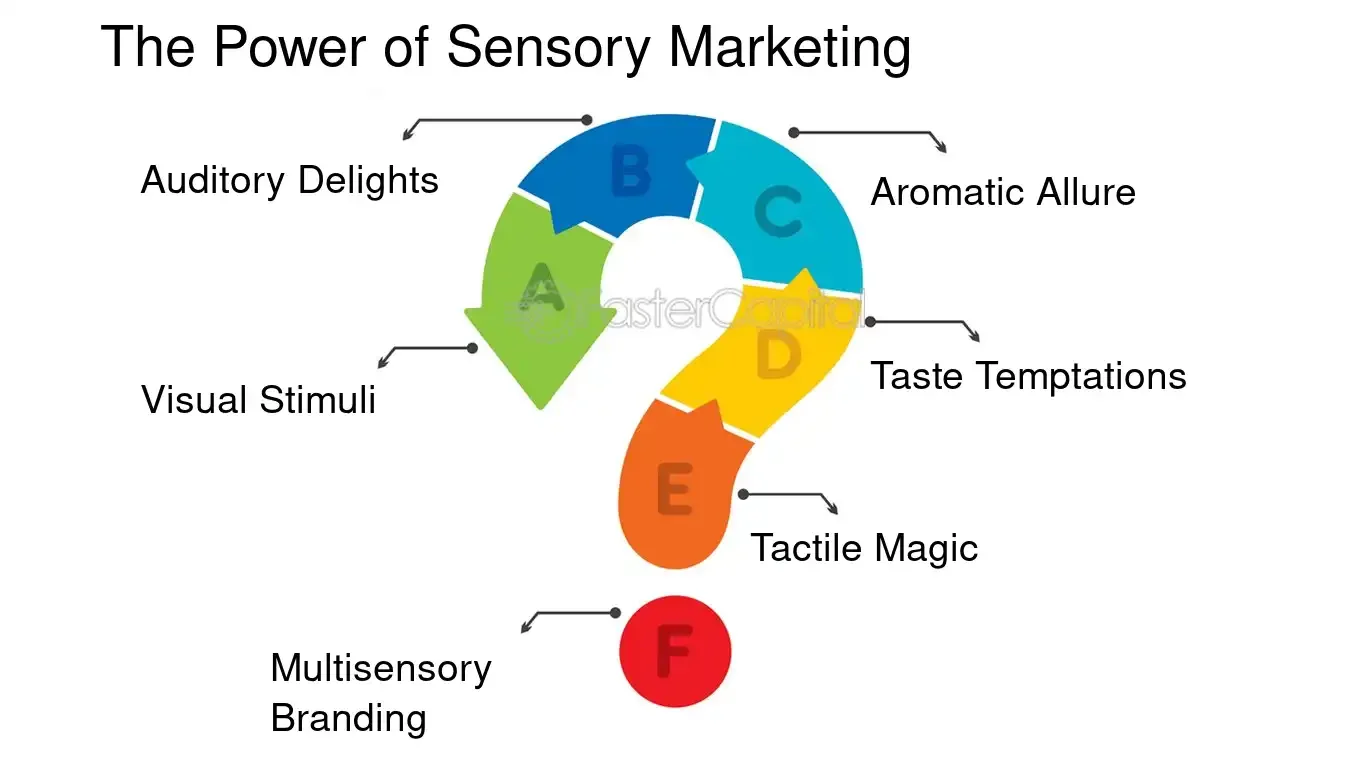
Multi-Sensory Advertising
“The Future of Online Advertising could go far beyond traditional visuals and audio, engaging audiences through multiple senses to create truly immersive experiences. Imagine campaigns that allow consumers to feel the texture of a product through haptic feedback, experience the aroma of a new fragrance, or even interact with digital environments in ways that simulate real-world sensations.
By engaging touch, scent, and other senses, brands can forge deeper emotional connections with their audience, making each interaction more memorable and impactful. These multi-sensory experiences highlight how the Future of Online Advertising has the potential to transform the way people perceive and remember brands, creating impressions that go beyond a simple click or view.
For marketers, this means thinking creatively about how technology can replicate or enhance real-world experiences in a digital context—whether through VR, AR, or other emerging sensory technologies. By offering more than just passive exposure, the Future of Online Advertising will immerse audiences, evoke stronger emotions, and build lasting relationships, turning advertising into an interactive and unforgettable experience.”
How to Future-Proof Your Business for 2030:
- Invest in AI and machine learning tools.
- Explore AR/VR opportunities for immersive campaigns.
- Commit to ethical advertising practices.
- Adapt to voice and conversational platforms.
- Align ads with sustainability and social responsibility.
- Stay informed about blockchain applications in marketing.
The businesses that will succeed in 2030 are those that embrace innovation while remaining human-centered, transparent, and responsible. Thriving in the future digital landscape won’t be just about adopting the latest technologies—whether AI, VR, or blockchain—but about using them to create authentic, meaningful experiences that resonate with audiences.
Consumers will expect brands to act with integrity, align with their values, and communicate purpose clearly, making transparency and ethical practices essential. Ultimately, the future of online advertising is not solely about reach or automation; it’s about building lasting, trust-based connections that foster loyalty, engagement, and advocacy. Companies that balance technological innovation with a human-first approach will stand out, drive real impact, and remain relevant in an increasingly competitive marketplace. more know let’s connect